Swipe, Compete, Repeat: Inside the Grassroots Tournament Circuit Keeping the e-Reader Alive in 2024
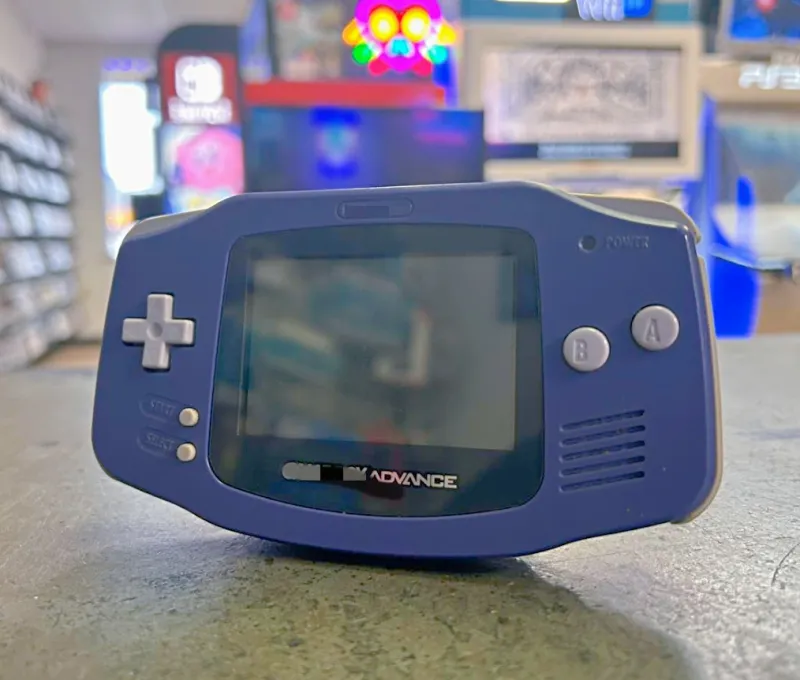
Photo: retro gaming tournament Game Boy Advance handheld competition, via ae01.alicdn.com
There's a moment at every e-Reader tournament — and yes, those exist now — where a newcomer walks in, spots the folding tables covered in Game Boy Advances and zip-lock bags full of worn cardboard, and does a visible double take. The hardware is old. The cards are older. The competitive scene, though? That part is surprisingly new, and it's growing faster than most people in the retro gaming world expected.
In 2024, a small but dedicated network of organizers across the United States is doing something that would have seemed absurd back in 2002: they're running legitimate, structured competitions built entirely around the Nintendo e-Reader. We're talking regional brackets, online leaderboards, tiebreaker rules, and in at least a few cases, actual cash prize pools. The e-Reader never got an esports moment during its commercial life. It's getting one now, two decades late, and the community building it is figuring out the logistics one swipe at a time.
How You Even Run an e-Reader Tournament
The first challenge any organizer faces is the hardware itself. The e-Reader was designed as a solo experience — you scan your cards, you play your game, you put the GBA back in your bag. There's no head-to-head mode baked into the system, no network infrastructure, no built-in leaderboard. Competitive play has to be layered on top of a device that was never engineered to support it.
Most tournament formats solve this problem by leaning into what the e-Reader does naturally: it generates scores. Puzzle games like Donkey Kong 3 and the Excitebike card sets produce clean, verifiable high scores that translate directly into competitive brackets. Organizers capture results with screen recordings or refereed in-person verification, then feed those numbers into shared spreadsheets or Discord bots that maintain running rankings.
Speed-scanning is another popular format — competitors race to scan a full set of cards as quickly and accurately as possible, with penalties for misreads. It sounds niche until you watch someone blow through a ten-card set in under forty seconds while keeping a 100% scan rate, and suddenly it feels like watching a close game of Tetris. There's genuine skill involved, and the crowd reacts accordingly.
Then there are the hybrid events, where players compete across multiple game categories in a single session, accumulating points toward an overall bracket position. These are logistically messier but tend to draw the biggest turnout because they reward breadth of knowledge across the e-Reader library rather than mastery of a single title.
The Logistics Nobody Warned Them About
Running a tournament around twenty-year-old hardware introduces problems you simply don't encounter with modern games. Card condition is the obvious one. A scratched or worn dot code can cause misreads that throw off a competitor's time or score, so most serious events now require players to submit their card sets for inspection before competition begins. Organizers have developed informal grading rubrics — borrowed partly from trading card game communities — to determine what's tournament-legal.
Hardware consistency is another headache. The e-Reader reader strip can vary in sensitivity between units, and the GBA model being used (original, SP, or Micro) affects how games render and, in some cases, how quickly inputs register. Standardizing equipment across a tournament venue means either asking everyone to bring the same hardware configuration or providing a pool of vetted units — neither of which is simple when you're sourcing twenty-year-old Game Boys.
Then there's the card supply problem. Competitive players want to practice with tournament-legal sets, but some of the best competitive titles are among the rarest cards on the secondary market. A few organizers have quietly started lending card sets to registered competitors in the weeks before an event, running the whole thing almost like a library system.
Online Play and the Discord Era
Not every competitor can make it to a regional event, so a parallel online circuit has developed alongside the in-person scene. These leagues operate almost entirely through Discord servers, where players submit timestamped video evidence of their scores and a moderator team verifies submissions before updating the leaderboard.
It's low-tech compared to modern esports infrastructure, but it works — and it has the side effect of connecting e-Reader fans across the country who would otherwise never interact. Players in rural areas who assumed they were the only person within a hundred miles still running a GBA with a card reader have discovered that there are dozens of people doing exactly the same thing, just scattered across different states.
The online format has also pushed organizers to develop more rigorous anti-cheat guidelines. Video evidence requirements, mandatory clock timestamps, and community-reviewed submissions have all become standard. The community polices itself pretty effectively, partly because it's small enough that everyone knows everyone, and partly because the whole point is the hardware — nobody's cheating their way to glory at an e-Reader tournament.
Why This Matters Beyond Nostalgia
It would be easy to dismiss all of this as nostalgia theater — a group of adults playing with toys from their childhood and calling it a sport. But that framing misses what's actually happening here. The people building this competitive scene aren't just reliving 2002. They're actively solving design problems, creating infrastructure from scratch, and expanding the understood capabilities of a platform that Nintendo itself gave up on.
The e-Reader competitive community is, in a very real sense, doing the work that Nintendo never did. They're discovering which games hold up as competitive titles, which card sets produce the most skill-differentiating scores, and what rule sets make for the most compelling spectator experience. That's original creative and organizational work, and it's producing something genuinely new.
Whether the scene grows beyond its current size is an open question. Hardware scarcity, the learning curve for newcomers, and the geographic spread of the community all create real friction. But the fact that it exists at all — that people in 2024 are building ranked brackets around a peripheral that launched when Spider-Man was in theaters for the first time — says something worth paying attention to.
The e-Reader never got its competitive moment. Apparently it just needed twenty years to find the right organizers.