e-Reader Central Swipe, Scan & Play — Your Nintendo e-Reader Hub

e-Reader Central

Swipe, Scan & Play — Your Nintendo e-Reader Hub

Latest Articles

Collector's Guide

Hidden in the Dots: The Secret Messages and Buried Data Researchers Are Still Finding in e-Reader Cards

The dot codes printed on e-Reader cards were supposed to carry game data — nothing more, nothing less. But reverse engineers digging into the raw scan output are finding something else entirely: developer notes, unused builds, and Easter eggs that Nintendo never publicly acknowledged. Some of this buried data has sat unread for over two decades, and archivists are still pulling new discoveries out of cards that collectors have owned for years.

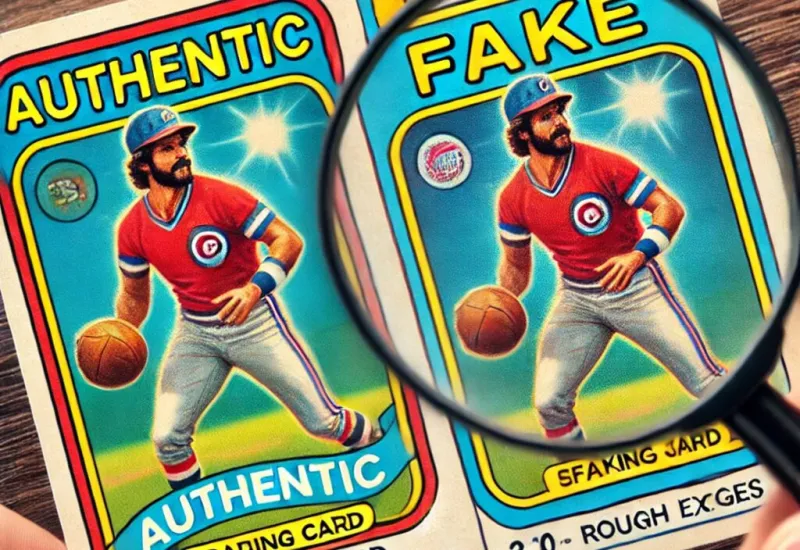
Real, Fake, or Fan-Made? Navigating the e-Reader Card Reproduction Market Without Getting Burned
Collecting

Real, Fake, or Fan-Made? Navigating the e-Reader Card Reproduction Market Without Getting Burned

The secondary market for e-Reader cards has always been a bit of a wild west, but a new wave of high-quality reproductions — some bootleg, some openly fan-made — has made it genuinely difficult to know what you're buying. This guide breaks down how to spot the difference, what's driving the reprint boom, and why the community can't quite agree on whether any of this is actually a problem.

Swipe, Compete, Repeat: Inside the Grassroots Tournament Circuit Keeping the e-Reader Alive in 2024
Opinion

Swipe, Compete, Repeat: Inside the Grassroots Tournament Circuit Keeping the e-Reader Alive in 2024

Nobody told the competitive retro gaming community that the e-Reader was supposed to be dead. Twenty-plus years after Nintendo pulled the plug, tournament organizers across the US are building ranking systems, prize pools, and regional brackets around a piece of hardware that was never meant for esports. Here's how they're pulling it off.

Opinion

Built to Last: The Surprising Engineering Reason Your 20-Year-Old e-Reader Cards Still Scan Perfectly

Modern QR codes frustrate us daily, yet a Game Boy accessory from 2002 reads its cards almost flawlessly every single time. We dug into the engineering behind Nintendo's dot-code system to find out why the old tech keeps winning — and what today's barcode designers quietly got wrong.

One Swipe and Gone: The e-Reader Game Series That Never Got a Second Chance
Collector's Guide

One Swipe and Gone: The e-Reader Game Series That Never Got a Second Chance

Some e-Reader franchises barely had time to load before Nintendo pulled the plug. We dig into the game series that launched with genuine potential, shipped one or two card sets, and then vanished without a trace — and what their short lives reveal about the device's rocky commercial run.

Same Hardware, Different Ears: How the e-Reader's Audio Shifted Across Game Boy Generations
Opinion

Same Hardware, Different Ears: How the e-Reader's Audio Shifted Across Game Boy Generations

Pop an e-Reader card into a Game Boy Advance and the sound hits one way. Dig up an older compatible setup and suddenly the same game feels like a completely different experience. The gap between those two audio worlds is smaller than you'd think — and way more interesting than anyone gives it credit for.

Two Consoles, Two Worlds: How Nintendo Split the e-Reader Library Between the US and Japan
Collector's Guide

Two Consoles, Two Worlds: How Nintendo Split the e-Reader Library Between the US and Japan

The Nintendo e-Reader launched in both the US and Japan, but the two libraries barely resemble each other. From beloved card sets that never crossed the Pacific to localization choices that still baffle collectors today, the regional divide tells a bigger story about Nintendo's early 2000s strategy — and it's one worth understanding before you start hunting cards.

Reprogrammed From the Ground Up: Meet the Hackers Turning Old e-Reader Dot Codes Into Brand-New Games
Opinion

Reprogrammed From the Ground Up: Meet the Hackers Turning Old e-Reader Dot Codes Into Brand-New Games

A scrappy underground community of ROM hackers is doing something nobody at Nintendo ever planned for — cracking open e-Reader dot codes and rebuilding them into games that never existed. We went deep into the scene to find out how they're pulling it off, what they've built so far, and whether Nintendo is paying attention.

Follow the Cards: Mapping the Wild Secondary Market for Nintendo e-Reader Collectibles
Collector's Guide

Follow the Cards: Mapping the Wild Secondary Market for Nintendo e-Reader Collectibles

Two decades after Nintendo pulled the plug, e-Reader cards are scattered across eBay listings, dusty game store bins, Japanese import shops, and private collector networks most people don't even know exist. If you're serious about tracking down specific titles, you need to understand where the cards went — and how to follow the trail.

Gone Before You Swiped: The e-Reader Card Sets Vanishing From Shelves and Why Your Wallet Should Be Worried
Collector's Guide

Gone Before You Swiped: The e-Reader Card Sets Vanishing From Shelves and Why Your Wallet Should Be Worried

Some e-Reader card sets have quietly crossed the line from 'hard to find' to 'genuinely rare,' and the secondary market is starting to feel it. We dug into which titles are disappearing fastest, talked to collectors and sellers about what's fueling the scarcity, and put together a guide on what you should be chasing before prices go completely off the rails.

Why Swiping a Card Felt Better Than Tapping a Screen: The Genius of the e-Reader's Dot-Code System
Opinion

Why Swiping a Card Felt Better Than Tapping a Screen: The Genius of the e-Reader's Dot-Code System

The Nintendo e-Reader's card-scanning mechanic looked gimmicky on the surface, but underneath it was one of the most thoughtfully designed input systems gaming had ever seen. Two decades later, mobile and AR developers are still chasing the same feeling the e-Reader delivered with a piece of cardboard and a slot. Here's why that swipe was so much more than it looked.

Dusty Boxes and Hidden Dot Codes: The Thrill of Hunting e-Reader Cards in the Wild
Collecting

Dusty Boxes and Hidden Dot Codes: The Thrill of Hunting e-Reader Cards in the Wild

Forget eBay — some of the best e-Reader finds are still hiding in garage sale bins, estate auction lots, and the forgotten corners of your aunt's game closet. We talked to collectors who are scoring serious cardboard gold the old-fashioned way, and what they're finding might surprise you.

From Casual Swipes to World Records: The Speedrunners Who Took the e-Reader Seriously
Opinion

From Casual Swipes to World Records: The Speedrunners Who Took the e-Reader Seriously

A small but fiercely dedicated group of speedrunners has quietly turned Nintendo's forgotten card-scanning gadget into a legitimate competitive platform. Between routing obscure dot-code minigames and squeezing milliseconds out of scan techniques, they're exposing just how much technical depth was hiding inside those cardboard strips all along.

Party Like It's 2002: The e-Reader's Untapped Local Multiplayer Scene Nobody Talks About
Opinion

Party Like It's 2002: The e-Reader's Untapped Local Multiplayer Scene Nobody Talks About

Long before Wi-Fi adapters and online lobbies became the default, Nintendo quietly built a local multiplayer framework into the e-Reader that could link up to four players through nothing but physical cards and Game Boy Advance link cables. It was ambitious, a little awkward, and almost completely overlooked — and honestly, that's a shame worth talking about.

Pulled From the Shelf: The Real Reasons Nintendo Killed the e-Reader Before It Could Fly
Opinion

Pulled From the Shelf: The Real Reasons Nintendo Killed the e-Reader Before It Could Fly

The e-Reader was scanning dot codes before QR codes were a household name, yet Nintendo quietly shelved it after barely two years on US store shelves. We dug into the business decisions, market conditions, and missed opportunities that turned one of the company's most inventive accessories into a footnote — and asked whether any of it was actually inevitable.

Swipe First, Ask Questions Later: How the e-Reader Quietly Built the Playbook for Modern Mobile Gaming
Opinion

Swipe First, Ask Questions Later: How the e-Reader Quietly Built the Playbook for Modern Mobile Gaming

Long before Pokémon GO had you spinning PokéStops or Clash Royale had you collecting digital cards, Nintendo was already experimenting with the exact same ideas — on a Game Boy Advance accessory most people forgot existed. The e-Reader's blend of physical objects, scannable data, and bite-sized gameplay wasn't just ahead of its time. It was practically a design document for the mobile gaming era.

Running Out of Swipes: The e-Reader Card Sets That Are Quietly Disappearing From the Market
Collector's Guide

Running Out of Swipes: The e-Reader Card Sets That Are Quietly Disappearing From the Market

Some e-Reader card sets were never easy to find, but a handful of titles have crossed the line from 'rare' into 'genuinely alarming.' We dug into the data, talked to longtime dealers, and mapped out exactly which releases collectors should be hunting down before the window closes for good.

Fan-Made and Freshly Swiped: The Homebrew Creators Building Brand-New e-Reader Games From Scratch
Opinion

Fan-Made and Freshly Swiped: The Homebrew Creators Building Brand-New e-Reader Games From Scratch

More than two decades after Nintendo quietly shelved the e-Reader, a dedicated crew of reverse-engineers and card designers is doing something nobody expected — building entirely original games for the platform. From dot code generators to hand-printed card decks, the scene is more alive than it has any right to be.

Dot Codes to Digital Handshakes: The Quiet Ways Nintendo's e-Reader Shaped the Future of Play
Opinion

Dot Codes to Digital Handshakes: The Quiet Ways Nintendo's e-Reader Shaped the Future of Play

Nintendo's e-Reader looked like a curiosity at the time — a card-scanning peripheral that most American gamers shrugged off at Toys 'R' Us. But dig into how its dot code system actually worked, and you start seeing fingerprints of that technology all over the industry today. From NFC amiibo to QR-driven mobile games, the e-Reader was quietly writing a playbook nobody admitted they were reading.

Same Card, Different Game: The Surprising Ways e-Reader Titles Changed Between Japan and the US
Collector's Guide

Same Card, Different Game: The Surprising Ways e-Reader Titles Changed Between Japan and the US

If you've ever tracked down the Japanese version of an e-Reader card set and popped it into your reader alongside the US release, you might have noticed something felt off. That's because Nintendo didn't just translate these games — in many cases, they fundamentally rebuilt them for American audiences, and not always in ways that made things better.