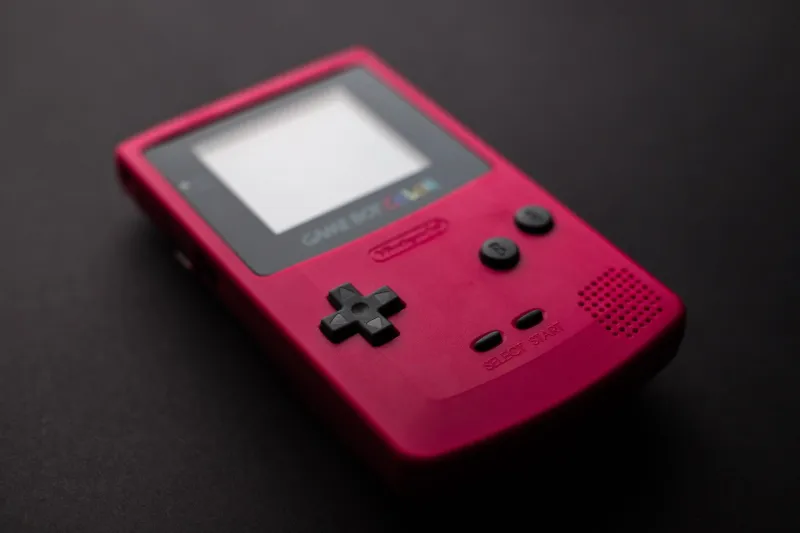
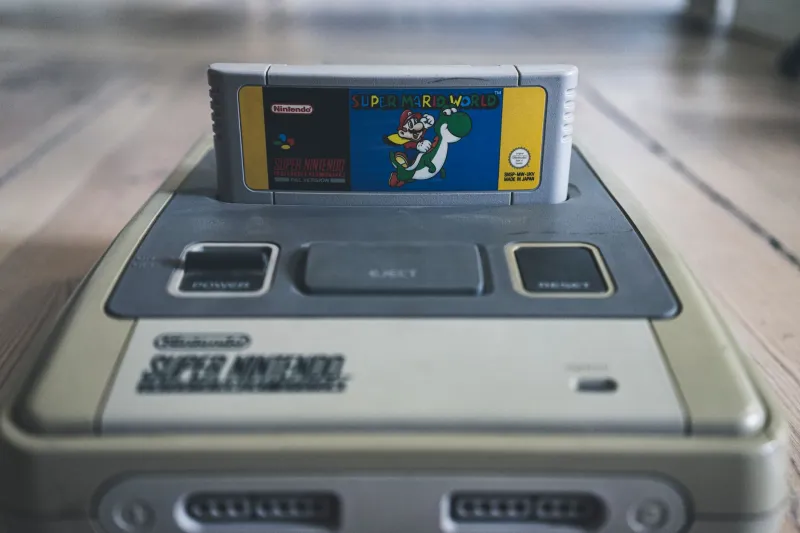
Pulled From the Shelf: The Real Reasons Nintendo Killed the e-Reader Before It Could Fly
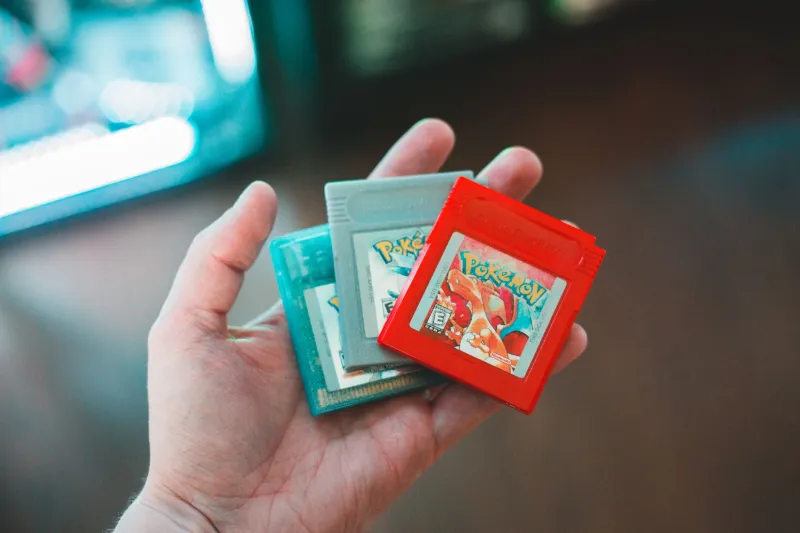
There's a particular kind of frustration that comes with loving a piece of technology that never got a fair shot. Ask any dedicated e-Reader collector and they'll describe it in almost the same way — a slow-burn realization that something genuinely clever had been quietly removed from the equation before most people even understood what it was doing. The Nintendo e-Reader launched in the US in September 2002, lasted barely two years on retail shelves, and was discontinued without ceremony or successor. No farewell press release. No "spiritual successor" announcement. Just gone.
So what actually happened? The easy answer is that it didn't sell well enough. But that explanation has always felt a little too convenient, especially when you look at the technology Nintendo was sitting on and the decisions the company made — or didn't make — during those critical early years.
A Device Ahead of Its Curve
Let's establish something up front: the e-Reader was not a gimmick. It was a fully functional peripheral that let Game Boy Advance owners swipe physical cards embedded with "dot code" strips to load mini-games, unlock content in existing titles, and even transfer data between games. In 2002, that was genuinely remarkable. Smartphones didn't exist yet. QR codes were an industrial tool that most American consumers had never heard of. The idea that a piece of cardboard could contain executable software was, by any reasonable standard, ahead of its time.
The Japanese version — the e-Reader+ — launched a year earlier and came with a richer library of card sets, including deep integrations with mainline Pokémon games and a robust catalog of NES classics. By the time the device crossed the Pacific, that library had been trimmed significantly. Several high-profile card sets, including the Pokémon-e series that had performed respectably in Japan, never made it to US retailers. That decision alone may have kneecapped the device before a single unit hit an American shelf.
The Publisher Problem
One of the structural issues that dogged the e-Reader throughout its US run was the challenge of getting third-party publishers on board. Building a card set required investment — design, printing, distribution — and the return on that investment was murky at best. Nintendo's own internal teams produced some of the most compelling content (the Super Mario Bros. e cards, the Donkey Kong Jr. set), but outside of a few exceptions, the third-party support that could have expanded the library into genuine must-own territory simply didn't materialize.
Retro gaming historians who've analyzed the device's commercial trajectory point to a chicken-and-egg problem that Nintendo never fully solved. Publishers weren't willing to invest in card sets for a device with a small install base, and the install base stayed small partly because the card library wasn't compelling enough to drive hardware attachment. Nintendo needed a flagship moment — a single, system-selling card series that would make the e-Reader feel essential. Without the full Pokémon integration that Japanese players got, that moment never arrived in the US.
The GBA SP and the Shifting Landscape
Timing compounded the problem. The Game Boy Advance SP launched in February 2003, just a few months after the e-Reader hit US stores. The SP was a hit — a sleeker, backlit redesign that reinvigorated the GBA line and brought in a wave of new consumers who hadn't previously owned the hardware. But the SP also quietly changed the ergonomics of e-Reader use. The card-swiping mechanism worked best with the original GBA's horizontal form factor. With the clamshell SP, using the e-Reader became noticeably more awkward.
It's a small thing, but in consumer electronics, small friction points compound. The e-Reader was already asking users to buy a peripheral, purchase individual card packs, and learn a new interaction model. Adding physical awkwardness to that list didn't help.
Then came the Nintendo DS announcement in 2004. Almost overnight, Nintendo's internal focus and marketing energy shifted toward the next hardware generation. The GBA line wasn't dead, but it was clearly entering its twilight phase, and any peripheral tied to that ecosystem was going with it.
Did Nintendo Actually Believe in It?
This is the question that comes up most often in collector communities, and it's the hardest one to answer cleanly. There's a reasonable argument that Nintendo's US operation never fully committed to the e-Reader as a product. The marketing was sparse. The retail presence was inconsistent. Card packs were often buried in game sections rather than prominently displayed. For a device that required consumers to understand a genuinely new interaction model, the educational lift was enormous — and Nintendo didn't appear to invest proportionally in helping people understand what they were buying.
Compare that to how Nintendo handled the launch of the DS or, years later, the Wii. Those products came with aggressive demonstration campaigns, in-store kiosks, and clear messaging about what made them different. The e-Reader got a brief TV spot and shelf space that varied wildly by retailer.
Collectors who've been chasing down card sets for the better part of two decades tend to land in one of two camps: those who believe Nintendo simply miscalculated the device's appeal in the US market, and those who suspect the company never fully believed in the American rollout to begin with. The truth is probably somewhere in between — a combination of genuine strategic miscalculation, an incomplete library, bad timing, and institutional attention that drifted elsewhere before the device had a chance to find its audience.
What the e-Reader's Failure Actually Taught Us
Here's the thing about the e-Reader's discontinuation that doesn't get discussed enough: Nintendo learned from it. The lessons embedded in the device's failure showed up, in modified form, in almost every major Nintendo initiative that followed. The physical-digital integration concept resurfaced in amiibo. The idea of content locked to a physical object became a recurring design principle. The e-Reader was, in many ways, a proof-of-concept for a model Nintendo would eventually perfect — just not in the form it originally shipped.
That's cold comfort if you spent real money on card sets in 2003 and watched the whole ecosystem evaporate. But it does suggest that the technology wasn't the problem. The execution was.
A Second Life That Never Came
The saddest part of the e-Reader story isn't the discontinuation itself — hardware gets discontinued all the time. It's the absence of a follow-up. Nintendo never revisited the dot code concept in any meaningful way. There was no e-Reader 2.0, no GBA successor with built-in card support, no Virtual Console integration that would have let those card sets live on in a new context.
The homebrew community has done remarkable work keeping the device's legacy alive, and the collector market has given those original cards a second life of a different kind. But from Nintendo's side of the ledger, the e-Reader was closed out and filed away.
For those of us who still swipe cards on original hardware, that silence has always stung a little. Not because we expected Nintendo to maintain the line forever, but because the device deserved at least one more swing at the plate. It never got it.