Two Consoles, Two Worlds: How Nintendo Split the e-Reader Library Between the US and Japan
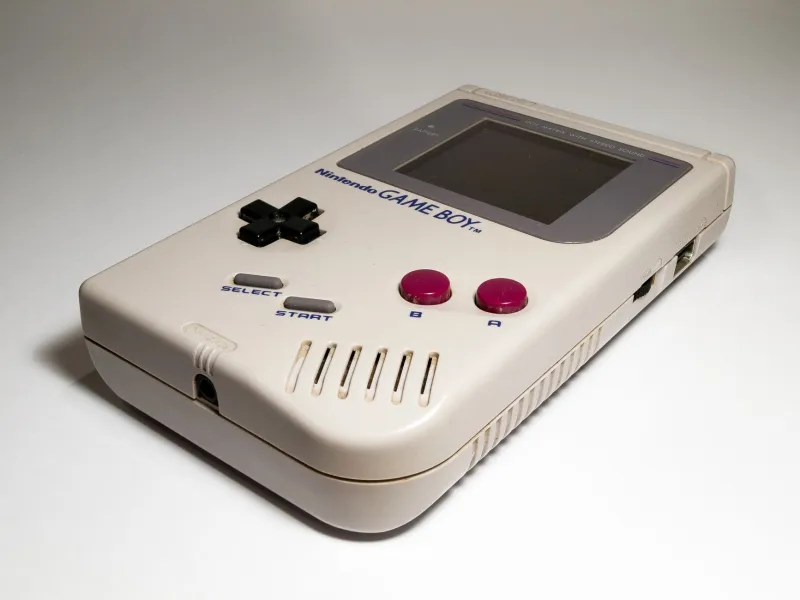
Pop quiz: how many e-Reader card sets were released in the United States? If you said around a dozen, you're in the right ballpark. Now ask the same question about Japan. The answer nearly doubles, and that gap says everything about how Nintendo viewed its two biggest markets during one of the most chaotic periods in handheld gaming history.
The e-Reader launched in Japan in December 2001 under the name "Card-e Reader," then hit American shores in September 2002. On paper, it was the same device — a GBA peripheral that scanned dot-coded cards to load games, bonuses, and interactive content. In practice, the two versions existed in almost entirely separate universes.
What the US Actually Got
The American e-Reader library was curated, cautious, and clearly built around familiar brand recognition. Nintendo leaned hard on safe bets: Super Mario Bros., classic NES ports through the e-Reader: Super Mario Bros. series, Pokémon bonus cards, and a handful of original mini-game collections. There was Baseball, Pinball, and a smattering of retro arcade titles through the Classic NES Series card packs. The Animal Crossing e-Reader compatibility was probably the highest-profile use case in the States, letting players scan cards to unlock furniture, villagers, and NES game emulators inside their virtual homes.
It wasn't a bad library. But compared to what Japan received? It was a highlight reel with most of the footage cut.
The Japanese Catalog Was a Different Beast
Over in Japan, Nintendo and third-party publishers treated the e-Reader like a genuine platform rather than a novelty add-on. The card catalog expanded into territory American players never saw: Kirby card sets, Donkey Kong content, expanded Pokémon integrations, Mario Party-e (which did make it stateside in limited form), and a sprawling variety of original puzzle and action games that were designed specifically for the format.
There were also heavy-hitting third-party collaborations that never left Japan. Trading card game tie-ins, educational content partnerships, and even promotional cards tied to Japanese convenience store campaigns gave the device a cultural footprint that the US version simply couldn't replicate. The Japanese market got e-Reader content woven into everyday life in a way that felt organic. The American market got a GBA accessory sitting in a blister pack next to the Game Boy games at Walmart.
Takeshi Mori, a collector based in Osaka who has been building his Japanese e-Reader archive since 2004, puts it plainly: "In Japan, you could find e-Reader cards at convenience stores, in cereal boxes, at fast food restaurants. It was everywhere for a while. I imagine American collectors look at our release list and feel a little cheated."
He's not wrong.
Why the Gap Exists
Nintendo's regional strategy during the early 2000s was shaped by a few overlapping pressures. Japan was the test market — the place where Nintendo could move fast, partner broadly, and see what stuck. The US rollout happened later and with more conservative expectations. By the time the American e-Reader launched in late 2002, Nintendo was already reading the tea leaves on the device's commercial performance in Japan, and those leaves weren't entirely encouraging.
The other factor was localization cost. Translating card content, redesigning packaging, navigating regional ratings, and building separate marketing campaigns for every card set was expensive. Nintendo made calculated cuts, prioritizing the titles most likely to move units in the American market. That meant leaning on existing IP and skipping anything that felt too culturally specific or niche.
What got left behind in that process was a huge chunk of what made the Japanese e-Reader interesting — the weird stuff, the experimental stuff, the cards that pushed the format in unexpected directions.
The Hunt for Region-Exclusive Cards
For American collectors today, Japanese e-Reader exclusives occupy a special tier of desirability. They're genuinely rare in the US market, often require knowledge of import sources, and carry the added mystique of content that most American players never had a chance to experience.
Denver-based collector Marcus Pratt has been importing Japanese e-Reader sets for about six years. "The Kirby cards are the ones that get me," he says. "We never got a dedicated Kirby e-Reader set in the States. Kirby was huge here — Nightmare in Dream Land came out around the same time as the e-Reader. It just feels like a missed connection."
Marcus also points to the Japanese Donkey Kong card sets as perennial grail items for American collectors. "Those cards show up on the secondary market occasionally, but prices have climbed. People know what they are now. Five years ago you could find them for almost nothing from sellers who didn't know what they had."
The language barrier adds another wrinkle. Most Japanese e-Reader cards load content in Japanese, which means even if you track down the cards and get them to scan correctly on your hardware, the actual gameplay experience may require some translation work to fully appreciate. That hasn't stopped dedicated collectors from building impressive import libraries, but it does raise the barrier to entry compared to hunting domestic US sets.
What the Divide Reveals About Nintendo's Thinking
Looking back at the e-Reader's regional split with two decades of hindsight, a few things become clear. Nintendo was essentially running two parallel experiments simultaneously — a broad, culturally integrated rollout in Japan and a brand-safety-first launch in the US. Neither experiment fully paid off commercially, but the Japanese version generated far more content, far more collector interest, and ultimately a richer historical record of what the format was capable of.
The American library isn't without its gems. The Animal Crossing integration remains genuinely impressive for its time, and some of the NES card ports hold up as clever packaging of classic content. But the US e-Reader library feels like a truncated version of an idea that Japan got to explore more fully.
For collectors on this side of the Pacific, that's both a frustration and an opportunity. The Japanese exclusives are out there. They're findable. They require patience, some import knowledge, and occasionally a willingness to pay a premium — but the cards exist, and they represent a version of the e-Reader story that most American players never got to experience firsthand.
Where to Start If You Want to Import
If you're a US collector curious about dipping into Japanese e-Reader territory, a few practical tips: Japanese auction platforms like Mercari Japan and Yahoo! Auctions Japan are your best sources for bulk lots and individual rare sets. Proxy buying services can help if you're not comfortable navigating Japanese-language listings directly. Always confirm card condition before purchasing — dot codes are sensitive to wear, and a scratched card is often a dead card.
Also worth noting: the Japanese e-Reader hardware is region-locked in terms of the device itself, but the card content loads through the GBA, and with the right setup, many Japanese cards can be scanned using a US e-Reader peripheral. Do your research on compatibility before buying, because not every card set works across regions without some additional effort.
The divide between the US and Japanese e-Reader libraries is real, it's significant, and it's one of the most compelling collecting puzzles the format has to offer. Start digging, and you'll find a whole second library waiting on the other side of the Pacific.