Why Does a Pack of e-Reader Cards Cost as Much as a New Game? The Economics Nobody's Talking About

Not long ago, you could find loose e-Reader card packs at flea markets for a dollar or two. Those days are gone. In 2024, sealed packs of even mid-tier sets regularly clear $20 to $40 on eBay, and rarer series can push well past $100 for a single complete set. If you're new to collecting and you've been sticker-shocked by what's out there, you're not imagining things — the market has fundamentally shifted, and the reasons are more complicated than simple nostalgia inflation.
We dug into the current state of e-Reader card availability, talked to collectors, reproduction creators, and online sellers, and tried to figure out exactly why your wallet is taking such a beating.
The Vintage Supply Problem Is Very Real
Here's the core issue: Nintendo stopped producing e-Reader cards in North America in 2004. That was it. No new print runs, no second editions, no anniversary reprints. Whatever was manufactured in those two or three years of the device's commercial life is all there will ever be — at least on the official side.
For the first decade or so after the e-Reader's discontinuation, cards sat in attics and storage bins across the country, largely forgotten. But as retro gaming collecting exploded in the mid-2010s, those forgotten packs started getting pulled out and listed online. The initial wave of rediscovery kept prices manageable. Now, though, most of what was sitting in closets has already been found. The easy supply is gone.
"You used to be able to find Baseball Advance or Pokémon e cards at any retro game store for almost nothing," says one longtime collector who asked to be identified only as DotCodeDave. "Now even the common sets are hard to find in decent condition at a fair price. The good stuff just isn't showing up anymore."
Condition matters enormously here. e-Reader cards were handled by kids. They got bent, scratched, and shoved into pockets. Cards with clean, unscarred dot-code strips that actually scan reliably are significantly rarer than raw card counts would suggest, and sellers know it. A technically "complete" set with damaged strips is worth considerably less than a pristine one — and pristine ones are increasingly scarce.
Collector Hoarding or Reasonable Caution?
Spend any time in e-Reader collector communities and you'll hear a recurring complaint: established collectors are sitting on their cards and not selling. Some see this as hoarding; others frame it as rational behavior given the trajectory of prices.
"Why would I sell now?" one collector posted in a popular retro gaming Discord. "Every year I've held onto my collection, it's been worth more. The people who sold in 2018 are kicking themselves."
That mindset creates a supply bottleneck. Cards that exist are increasingly locked in private collections, treated as investments rather than playable games. For newcomers who actually want to swipe cards on real hardware, this is genuinely frustrating.
It's worth noting, though, that hoarding alone doesn't fully explain the price spike. Demand has risen dramatically in parallel. The retro gaming content creator boom on YouTube and TikTok has introduced the e-Reader to audiences who never experienced it as kids, and those viewers often want to own what they see on screen.
The Reproduction Market: Cheaper, But Not Free
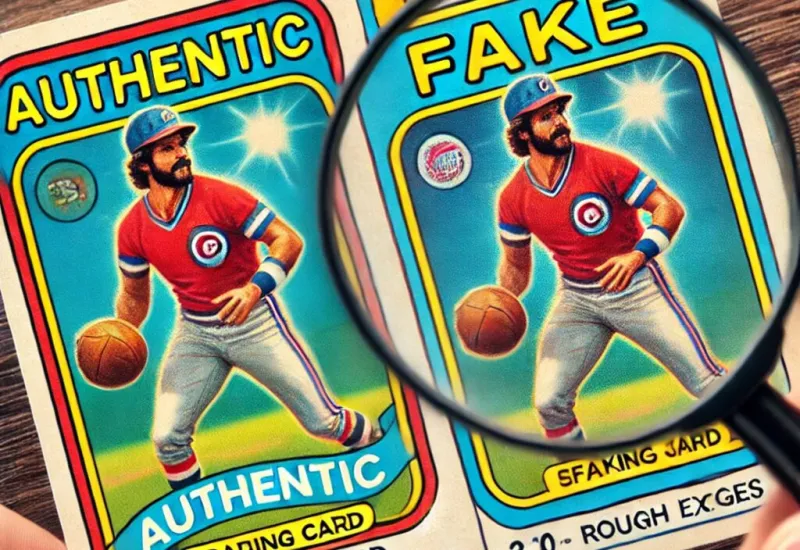
The obvious alternative is reproduction cards, and a small but dedicated community of creators has been producing them for years. Using high-resolution scans of original cards and careful reverse-engineering of the dot-code format, reproduction makers can produce cards that scan reliably on real hardware. For many collectors, these fill the gap left by the dwindling vintage supply.
But reproduction cards aren't cheap either, and the reasons are worth understanding. The specialized cardstock required to produce cards that scan consistently isn't standard printer paper. Getting the dot-code density right requires precise calibration. Most reproduction creators are running small operations — we're talking individuals with high-quality home setups, not commercial print shops — and their per-unit costs reflect that.
"People see a reproduction pack and think it should cost pennies because it's 'just printing,'" explains one reproduction creator who sells through a small Etsy-adjacent storefront. "But the materials alone eat into margins fast, and if a batch doesn't scan reliably, it's a total loss. I'm not getting rich off this."
A typical reproduction set can run anywhere from $8 to $25 depending on card count and creator, which puts it in a similar ballpark to what some vintage sets cost just five years ago. For a complete game experience that requires multiple sets, the costs stack up quickly.
Platform Fees and the eBay Tax
Another factor driving up the visible price of cards is where most transactions happen. eBay remains the dominant marketplace for vintage e-Reader cards, and its fee structure means sellers need to price higher just to break even on what they paid. Add shipping costs — cards need protective packaging to arrive undamaged — and a card that a seller acquired for $10 might need to list for $18 just to net the same amount.
Facebook Marketplace and dedicated retro gaming groups offer lower-fee alternatives, but they require more legwork to find. For casual buyers, eBay's convenience comes at a price premium.
What This Means If You're Just Starting Out
Honestly? It's a tough time to be a new e-Reader collector focused on completionism. Building a full vintage collection from scratch in 2024 would cost a significant sum — potentially several hundred dollars for the most sought-after sets alone.
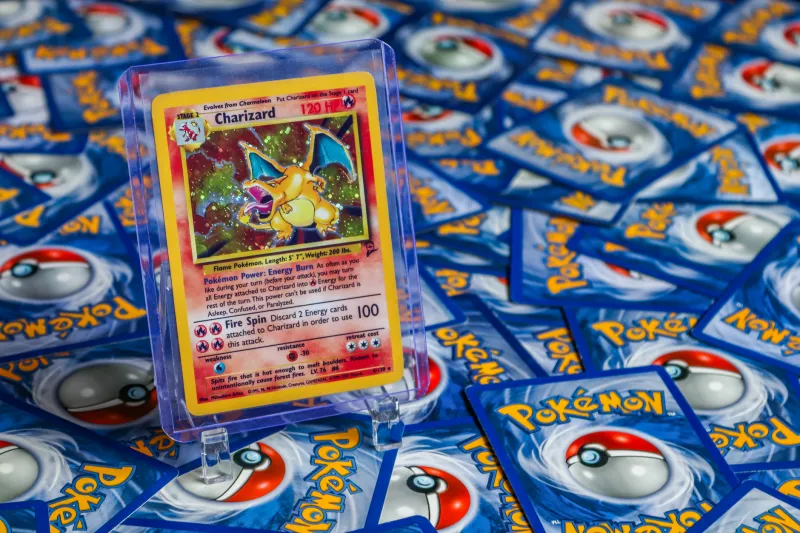
The more practical entry point is to pick a lane. If you want to actually play the games on real hardware, reproduction cards from reputable creators offer genuine value. If you're drawn to the history and physical artifacts, focus on one or two specific series rather than chasing everything. The Pokémon e card sets are beautiful but expensive; the lesser-known Baseball Advance or Kirby cards are still relatively accessible and just as scannable.
And keep an eye on local options. Estate sales, thrift stores, and regional game expos still surface cards occasionally at prices that haven't caught up with the online market. The hunt is part of the hobby — and finding a clean pack for two dollars in a bargain bin still happens, just less often than it used to.
The e-Reader card market in 2024 is a product of its own success. A device that was considered a commercial failure now has a passionate enough following to make its cards genuinely valuable. That's a remarkable turnaround — even if it makes building a collection a lot more expensive than it should be.