The Cards You Can't Put a Price On: Nostalgia, Regret, and the e-Reader Collections People Can't Bring Themselves to Sell
Photo: Kinjal bose 78, CC BY-SA 4.0, via Wikimedia Commons
Somewhere in a closet in suburban Ohio, there's a binder full of e-Reader cards that a 34-year-old named Marcus has been offered real money for — twice. The first time, he almost said yes. The second time, he didn't even reply to the message.
"I know what they're worth," he told us. "I check the market. I'm not naive about it. But every time I think about actually boxing them up and shipping them off, I just... can't. Those cards were the thing I looked forward to every weekend when I was twelve. I'd ride my bike to Target and just hope they'd restocked."
Marcus isn't unusual. Spend any time in e-Reader collector communities and you'll find dozens of people like him — fans who built collections during the device's brief retail life in the early 2000s, held onto them through multiple moves and life changes, and now find themselves sitting on something with genuine market value and no clear idea what to do with it.
What the Market Says vs. What Your Memory Says
The e-Reader card market has matured considerably over the past few years. Sealed packs of rarer sets can command significant premiums. Complete Series 1 and Series 2 sets in good condition move quickly when they surface. Even individual cards from popular titles like Pokémon-e have their own pricing ecosystems.
But here's the thing about market value: it's entirely indifferent to context. A card that's worth $8 on eBay was also the card you scanned 200 times as a kid trying to unlock a secret minigame. The market doesn't know that. It can't factor it in. And that gap between what a card is worth to a buyer and what it's worth to you is where a lot of collectors get stuck.
A woman named Priya, who collected e-Reader cards during a period when her family was going through a difficult move and the cards became a kind of anchor, put it plainly: "People talk about gaming nostalgia like it's just sentimentality — like it's something you're supposed to grow out of. But these things were genuinely stabilizing for me at a specific time. That doesn't have a going rate."
The Regret Calculus
Not everyone holds on. And some of those who sold have complicated feelings about it.
Jordan, a collector in his early 30s from the Pacific Northwest, sold a substantial portion of his e-Reader collection in 2020 when he needed cash during a financially rough stretch of the pandemic. He got a fair price — better than fair, actually, given where the market was at the time. He doesn't regret the decision in practical terms.
"I'd do it again if I had to," he says. "But there are specific cards I think about. Not even the valuable ones. There's this one Excitebike card I had that I'd played with so many times the corner was bent. I'd had it since I was nine. Selling that one specifically felt weird in a way I didn't expect."
The regret Jordan describes isn't about money left on the table — prices have climbed since he sold, but that's not really the point. It's about the permanence of the decision. Digital games can be re-downloaded. Physical cards, once gone, require active effort and often real expense to reacquire — and even then, it won't be your copy. The one with the bent corner.
When Holding Becomes Its Own Answer
For collectors who aren't facing financial pressure, the decision calculus shifts in interesting ways. The question stops being "should I sell?" and becomes "what am I actually keeping this for?"
Some people hold with genuine intention — they plan to eventually play through everything, share the experience with their kids, or contribute to preservation efforts. Others hold out of inertia, neither fully committed to keeping nor ready to let go. And a smaller group holds specifically because they've watched the market climb and are treating their collection as an investment, which is a legitimate strategy but a different conversation entirely.
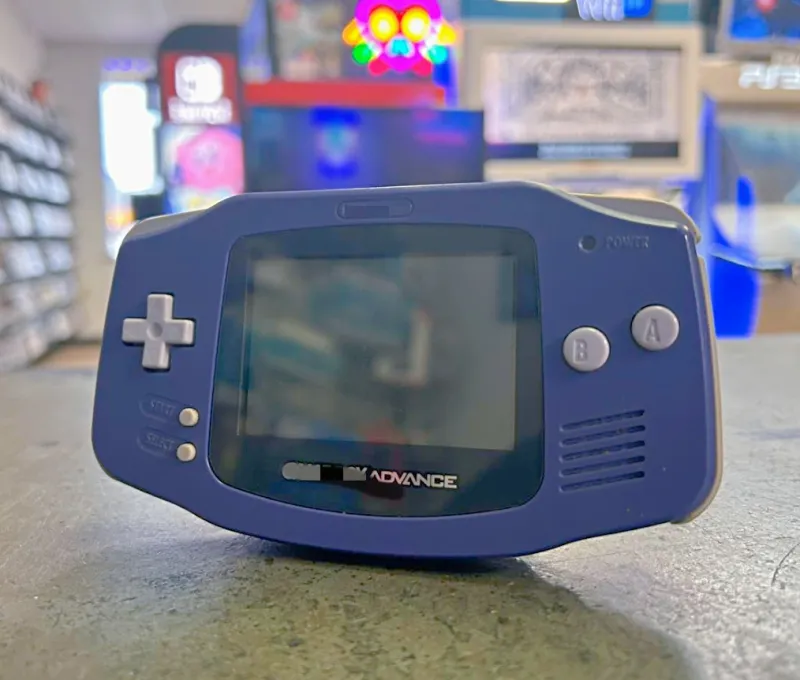
Marcus, back in Ohio, has landed somewhere in the first camp. He got a Game Boy Advance SP working recently — the backlit screen makes a difference — and has been slowly scanning his way through cards he hasn't touched in over a decade.
"Some of them I remembered exactly. Like, I knew what was going to happen before the screen even loaded. And some of them surprised me — I'd forgotten they existed. That's kind of a gift, right? Rediscovering something you already own."
Practical Advice for the Conflicted Collector
If you're genuinely on the fence about selling, a few things worth considering:
Identify your non-negotiables first. Before you think about what to sell, figure out what you'd never sell regardless of price. Pull those cards out, set them aside, and take them completely off the table mentally. It clarifies the decision considerably.
Don't sell into a panic. Market prices fluctuate, and the e-Reader collecting scene is small enough that a wave of new listings can move prices noticeably. If you're selling because you saw a spike and want to cash in, make sure you're doing it on your timeline, not the market's.
Document before you sell. Scan your cards, photograph them, keep records. Even if you sell the physical objects, having a record of what you owned — what condition it was in, where you got it — preserves something of the history.
There's no wrong answer. Selling isn't a betrayal of your childhood, and keeping isn't irrational hoarding. These are cardboard rectangles with dot codes on them. They're also something more than that. Both things are true, and you get to decide which one matters more right now.
The market will still be there. The question is whether you will be, too — or whether you'll be one of those collectors who spends years trying to quietly rebuild something they let go of too soon.