Your Cardboard, Your Rules: What a 2002 Card Reader Gets Right About Ownership That the 2025 Game Store Doesn't
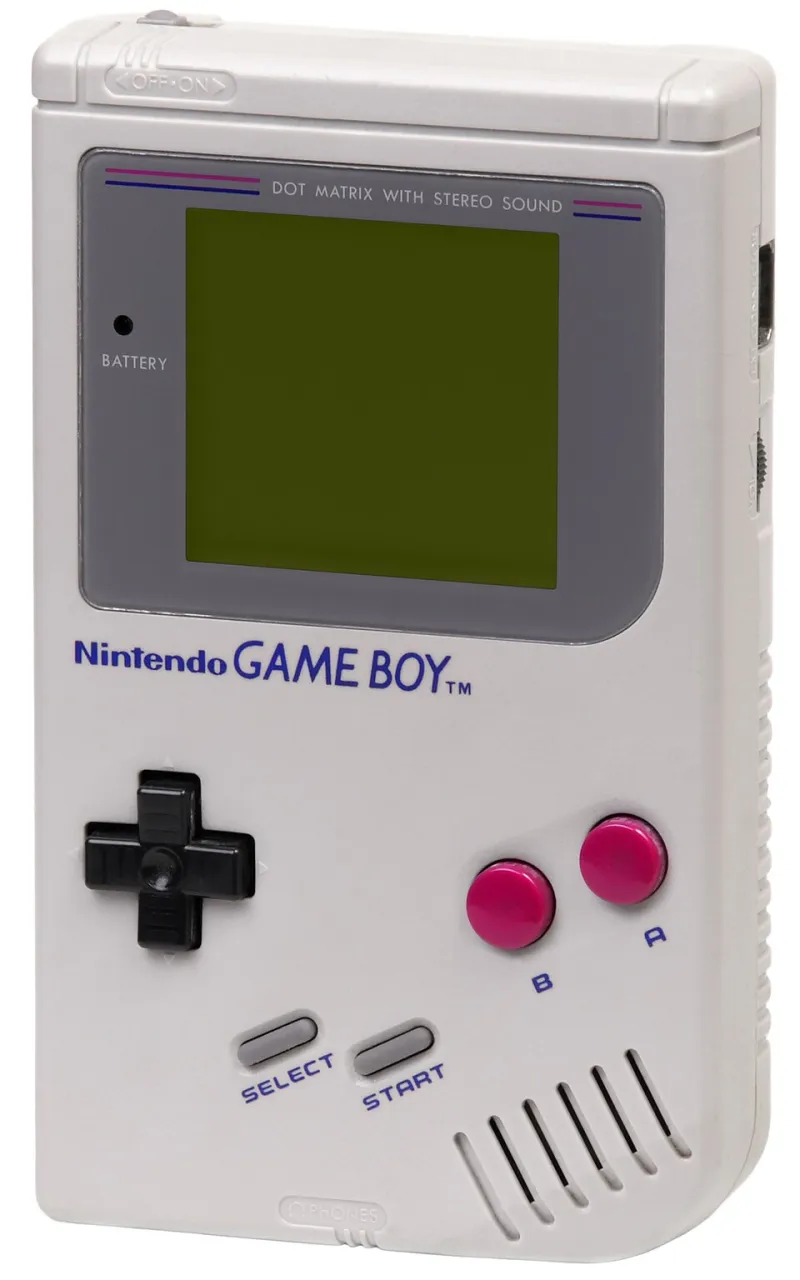
Photo: Evan-Amos, Public domain, via Wikimedia Commons
There's a particular kind of peace that comes from holding an e-Reader card. It's cardboard. It's twenty-plus years old. It smells faintly like a middle school backpack. And unlike the $70 digital copy of a game sitting in your Switch account right now, nobody can remotely revoke it.
We've been thinking about that a lot lately, because the ownership debate isn't going away — it's getting louder.
The Server Never Had to Stay On
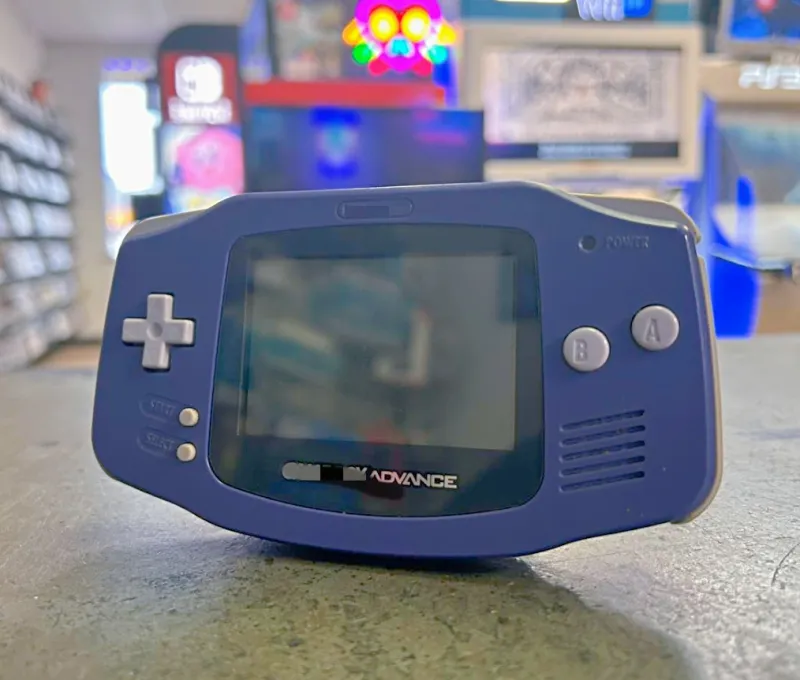
Here's the thing about the e-Reader model that feels almost radical in 2025: the entire game lived on the card. No activation servers. No license checks phoning home. No publisher deciding one day that your purchase no longer exists. You swiped the card through the reader twice, the dot codes loaded the data into the GBA's memory, and from that moment the card had done its job forever.
Compare that to the modern landscape. Digital game licenses can be revoked. Delisted titles vanish from libraries people paid real money for. And the NFT boom of a few years back promised "true digital ownership" while delivering, in most cases, a URL pointing at a JPEG on somebody else's server.
The e-Reader did digital delivery the analog way — and analog, it turns out, is bulletproof.
"It's Mine Until the Cardboard Crumbles"
We talked to a handful of longtime collectors about why they trust a strip of cardboard more than a cloud library, and the answers kept circling the same theme.
Marcus, who's been scanning since the original US launch, put it bluntly: "My Steam library is a rental I pretend is ownership. My e-Reader cards are mine the way my records are mine. If the company disappears tomorrow, the cards still work."
Another collector, who asked to go by her handle "DotCodeDana," made an even sharper point: "When Ubisoft pulled a game's servers, people lost access to content they bought. When has an e-Reader card stopped working because a company made a business decision? Never. The only enemy is physical decay, and that's on me — not some licensing department."
That distinction matters. With the e-Reader, the failure modes are physical and knowable: moisture, sunlight, bent corners. You can fight those. You can't fight a takedown notice.
What the NFT Crowd Got Wrong That Nintendo Got Right
It's tempting to call the e-Reader a proto-NFT — a physical token unlocking digital content — but the comparison falls apart fast, and the ways it falls apart are instructive.
NFTs separated the token from the thing. You owned a receipt, not the game, not the art, not anything functional. The e-Reader card was the content. The dot code printed on it contained the actual game data, compressed and rendered as tiny dots. There was no middleman, no marketplace, no blockchain — just data you could hold, trade at a flea market, or scan twenty years later on hardware that still runs.
Nintendo accidentally built the most consumer-friendly digital ownership system of its era by making the "digital" part physical. The download was a piece of cardboard, and the DRM was... nothing. The card just worked.
What Modern Platforms Could Steal From 2002
We're not naive enough to think Sony or Nintendo of today is going to ship games on dot-code cards (though honestly, we'd buy them). But there are lessons worth taking seriously:
- Offline-first beats always-online. Content that works without a server keeps working. Full stop.
- Physical fallbacks build trust. Even limited run physical releases give buyers something no takedown can touch.
- Ownership should survive the seller. The e-Reader outlived Nintendo's support for it by two decades. How many modern purchases can say that?
The e-Reader was a commercial flop in the US, sure. But as a philosophy of ownership, it aged better than almost anything the industry has tried since. Twenty-three years later, a strip of cardboard is still the most secure game license we own.
Maybe that's the real punchline: Nintendo's strangest peripheral understood ownership better than the metaverse ever did.